Exploring Eras and Pivotal Events
Empire, Culture, and the Fall of a Civilization An overview of the mighty Aztec civilization, their social structure, religion, achievements, and the eventual collapse under Spanish conquest.
The Khoikhoi Tribes: Life, Language, and Historical Legacy An exploration of the Khoikhoi people—once called “Hottentots”—and their enduring influence on Southern African history and culture.
The Dead Indian Tribes: A Cultural and Historical Overview A look into the vanished Native American tribes, their cultural richness, and the impact of colonization and time on their existence.
The Sumerian civilization, located in southern Mesopotamia, is one of the earliest known civilizations in human history. With the invention of cuneiform writing, the development of organized cities, religious and legal systems, and remarkable achievements in architecture and literature, the Sumerians laid the foundation for human civilization. This article explores their social structure, cultural contributions, economy, religion, and long-term influence on later societies.
The Elamite civilization was one of the oldest in Western Asia, flourishing in southwestern Iran — particularly in the regions of Khuzestan, Ilam, and Lorestan. Centered in the city of Susa, Elam developed a unique political, religious, and cultural identity while interacting with Mesopotamian powers. This article explores Elam’s dynasties, architecture, language, religion, and its lasting influence on later Iranian civilizations.
The Babylonian civilization was one of the most influential ancient cultures of Mesopotamia, centered in the city of Babylon. Flourishing during various historical periods, especially under Hammurabi and Nebuchadnezzar II, Babylon became a hub of law, science, religion, and monumental architecture. This article explores Babylon’s political structure, cultural achievements, religious beliefs, and its enduring legacy.
The term “Aryan” originally referred to a linguistic and cultural group within the Indo‑European family, specifically the Indo‑Iranian branch. Found in ancient Iranian and Indian texts, the word meant “noble” or “honorable” and had no racial meaning. This article explores the origins of the term, the peoples associated with it, their migrations, and the modern misunderstandings that have surrounded the concept.
The legendary kings of ancient Iran—from Keyumars to the end of the Kayanian dynasty—form the mythological foundation of Iranian cultural identity. These figures, preserved in the Avesta, Middle Persian texts, and Ferdowsi’s Shahnameh, represent the evolution of civilization, kingship, ethics, and cosmic struggle in Iranian thought. This article explores each ruler’s role, symbolism, and contributions within the broader Indo‑Iranian mythological tradition.
Sistan—known historically as Sakastan or Sakasthana—was the homeland of the Saka (Scythian) tribes in eastern Iran. The region played a major role in Iranian mythology, Zoroastrian tradition, and later Persian epic literature. This article explores the origins of the name, the Scythian presence, the cultural identity of Sistan, and its significance in Iranian history.
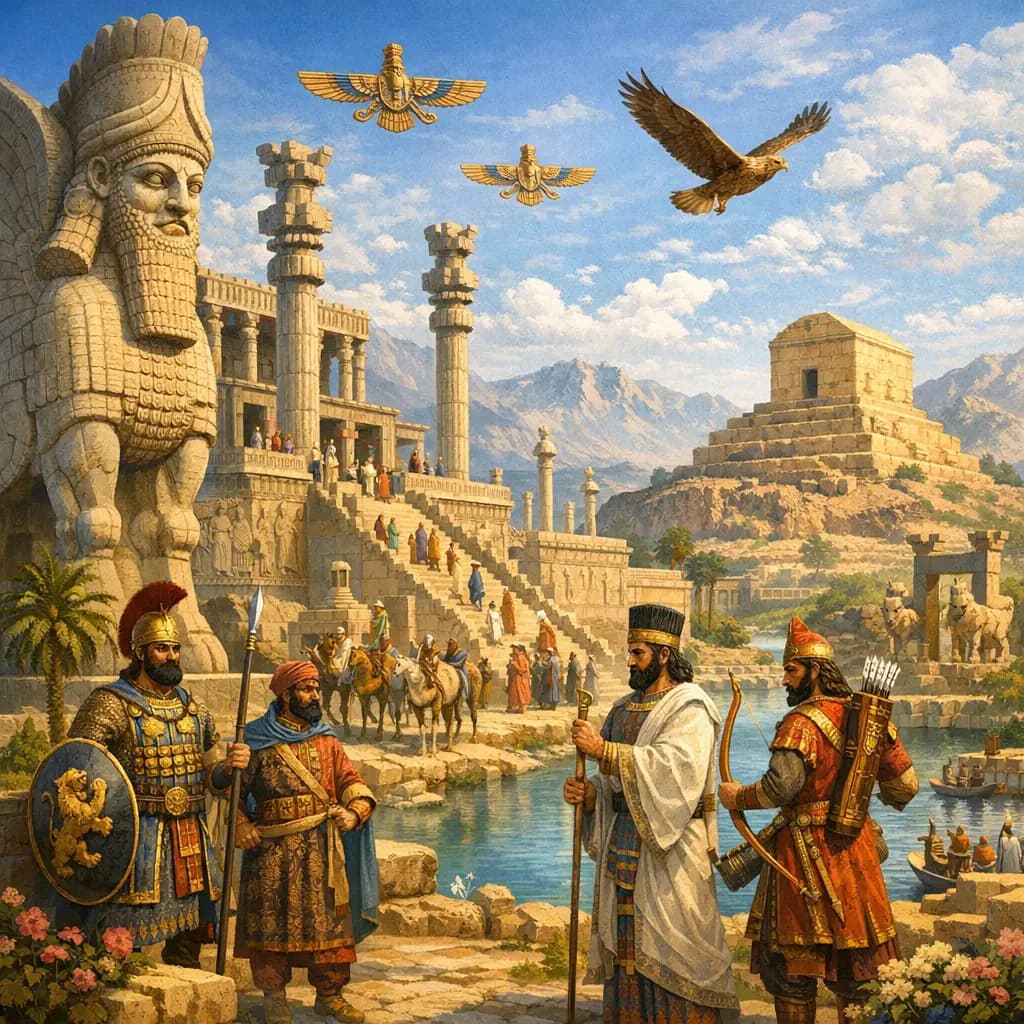
The Iranian peoples known as Pars, Parthia, and Media were three foundational branches of the Indo‑Iranian migrations that settled across the Iranian Plateau during the first millennium BCE. Each group established a major political structure—Median, Achaemenid, and Arsacid—that shaped the political, linguistic, and cultural identity of ancient Iran. This article provides a comparative overview of their origins, territories, political systems, and historical roles.
Jamshid—known in the Avesta as Yima or Yima Xšaēta—is one of the most influential mythological figures in Iranian tradition. His story spans ancient Indo‑Iranian mythology, Zoroastrian cosmology, and later Persian epic literature. This article explores his origins, his role in the Avesta, the myth of the Vara, his transformation in the Shahnameh, and the cultural symbolism associated with him.
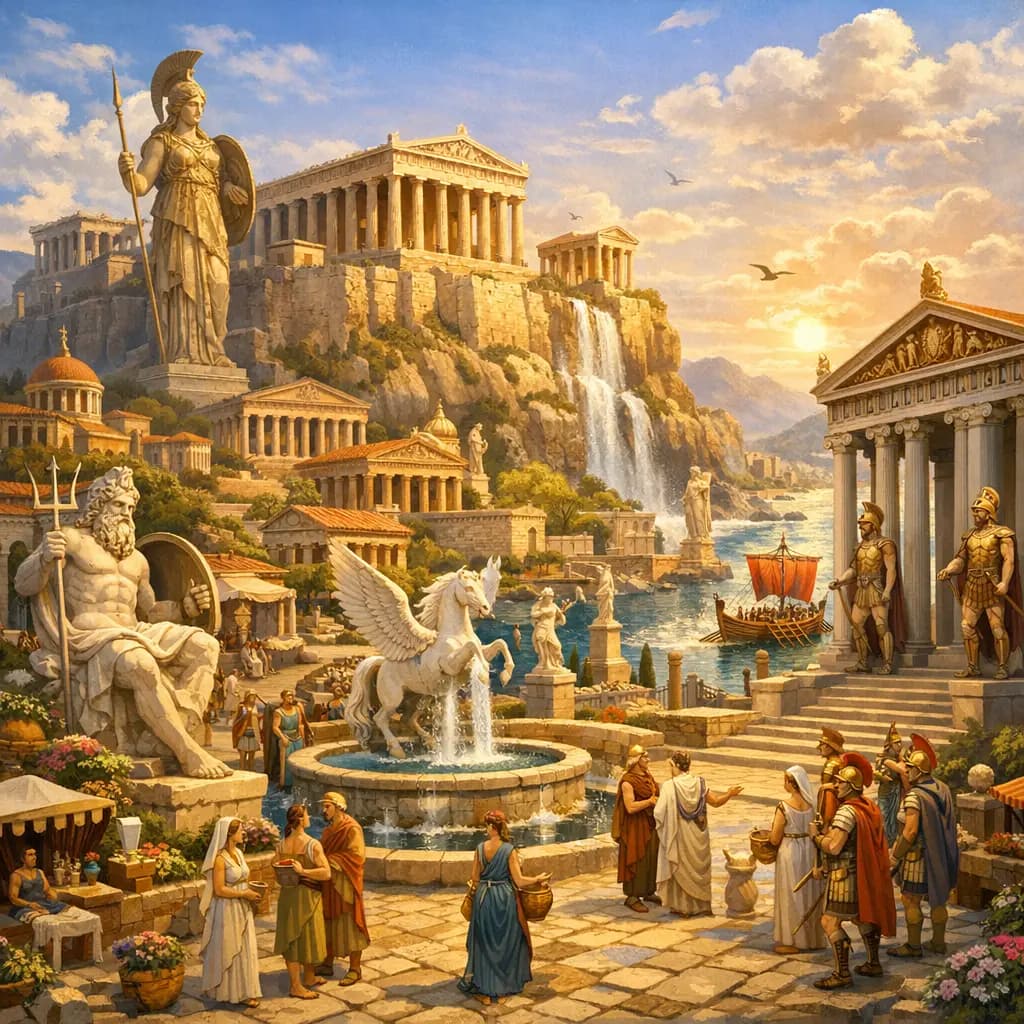
Greece emerged in a landscape shaped by mountains, narrow coastal plains, and a fragmented archipelago that encouraged seafaring, trade, and cultural exchange. The combination of limited arable land, proximity to the Mediterranean Sea, and interaction with older civilizations such as Egypt and Mesopotamia helped transform the Greek world into one of the most influential centers of ancient culture. This article examines the geography, early settlements, maritime traditions, and cultural development that defined ancient Greece.