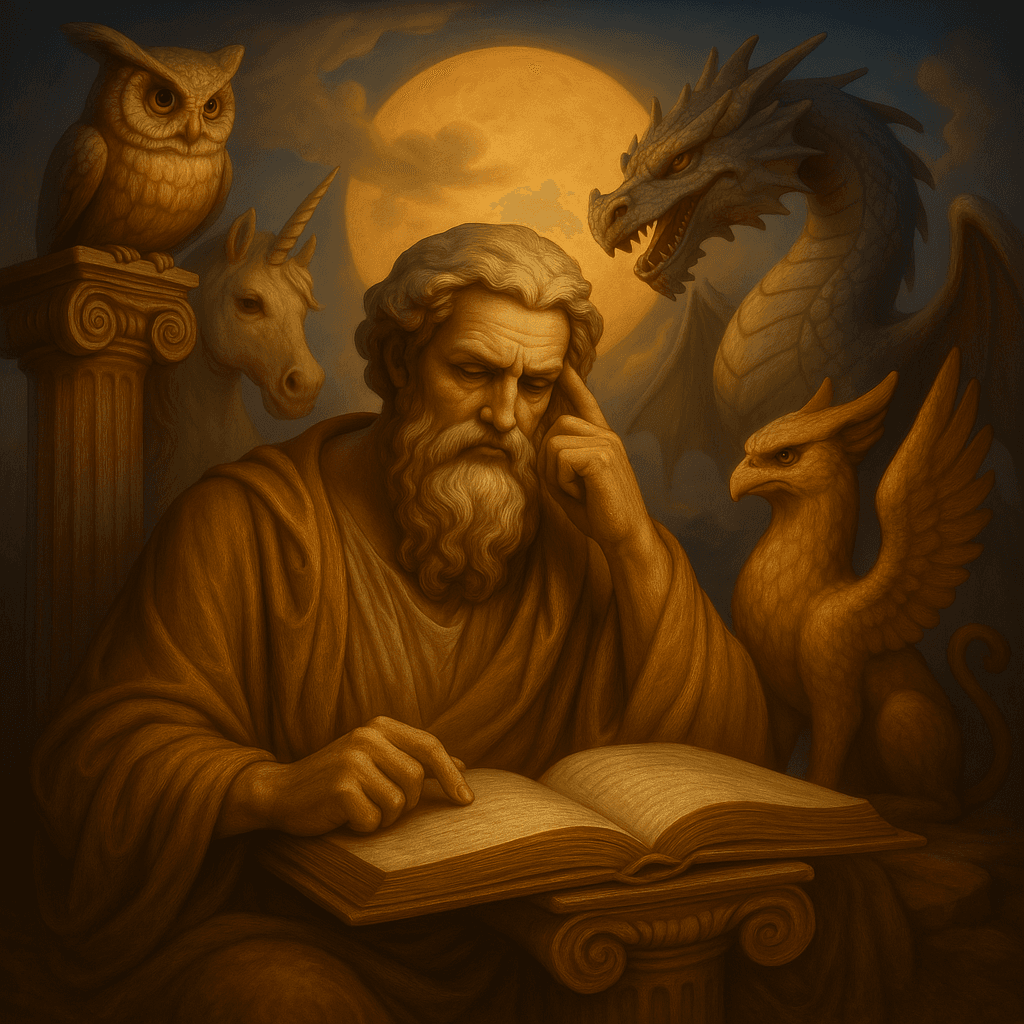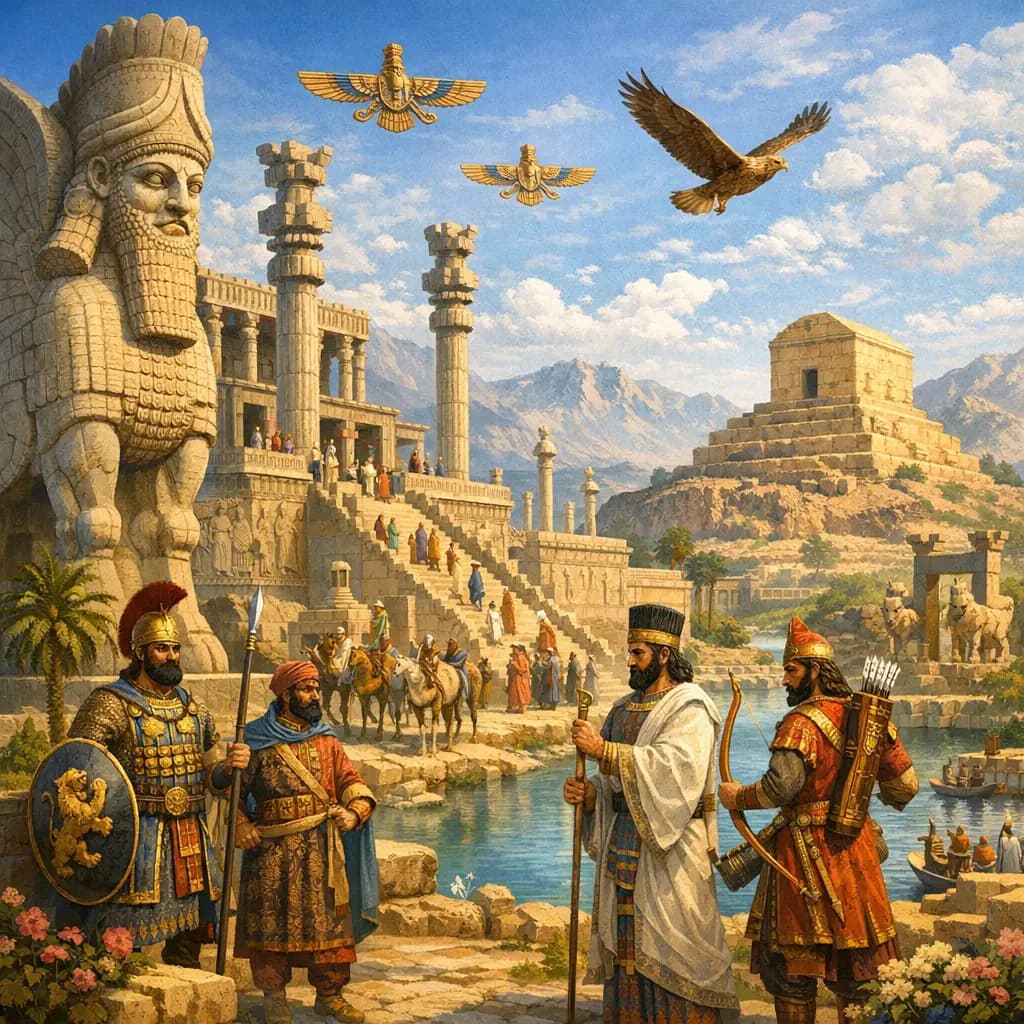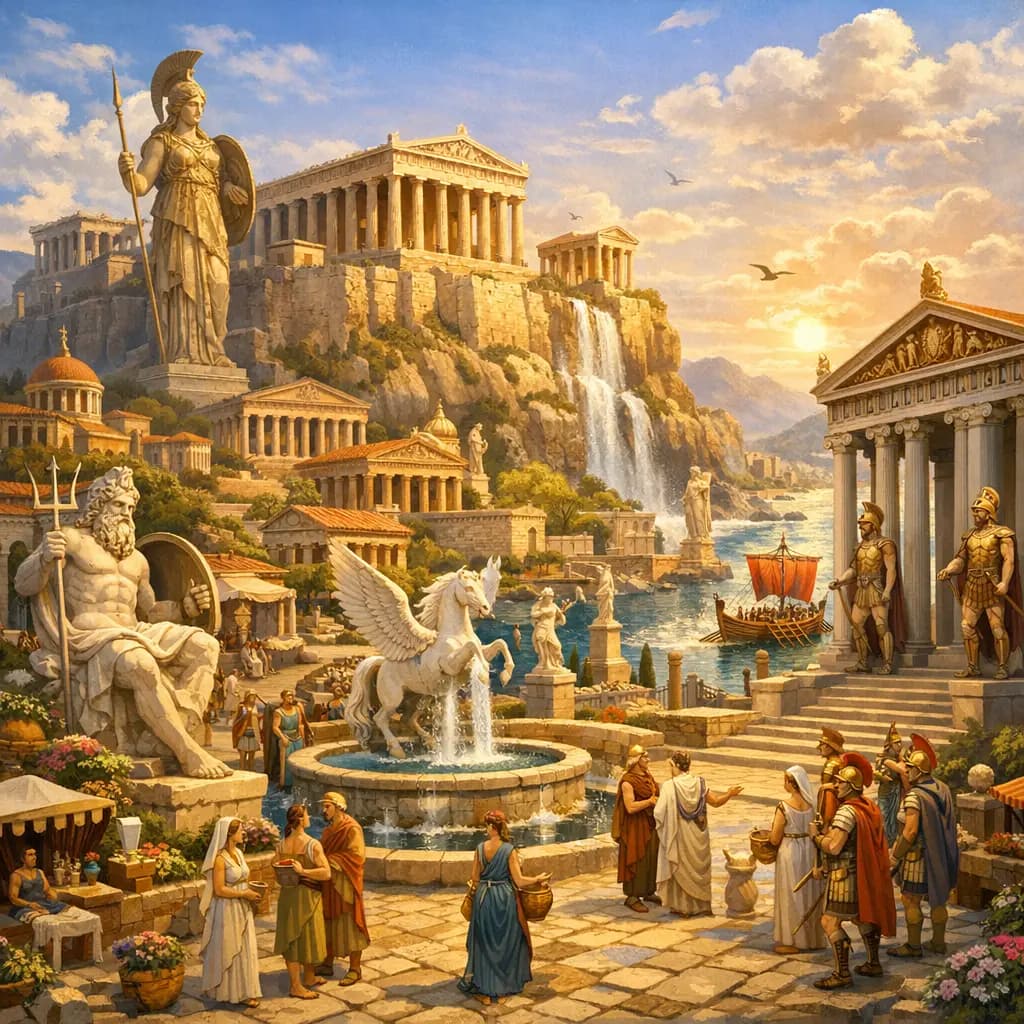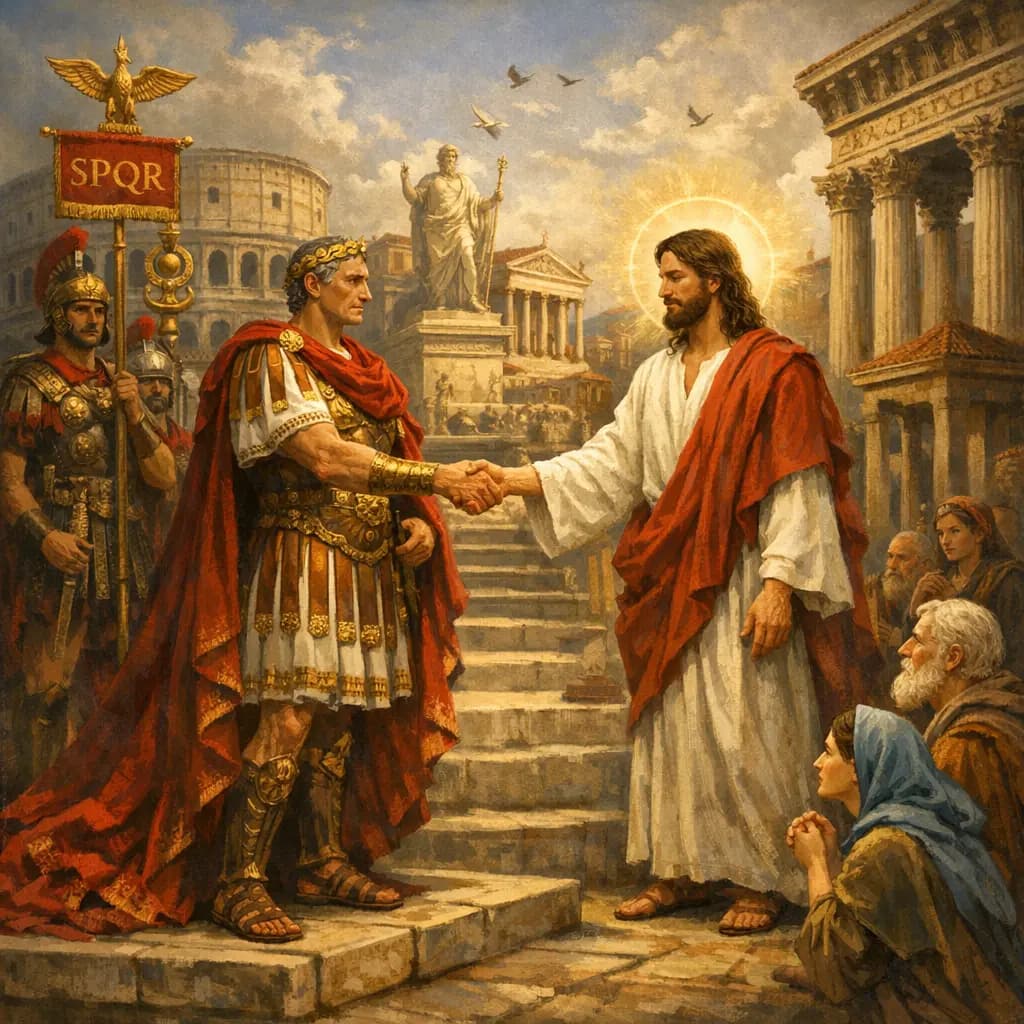
Revisiting Epochs and Ideologies

Cosmic Mind and the Theory of Infinite Elements Anaxagoras was a pioneering pre-Socratic philosopher who introduced the concept of Nous (Cosmic Mind) and proposed a pluralistic theory of nature based on infinitely divisible substances. His ideas bridged natural science and metaphysics, influencing both ancient astronomy and philosophical thought
The Four Elements, Love and Strife in Ancient Cosmology Empedocles was a pre-Socratic philosopher, poet, and mystic who proposed a dynamic theory of the universe based on four eternal elements and two opposing cosmic forces. His ideas bridged natural science, metaphysics, and spiritual ethics, leaving a lasting legacy in Western thought.
Zeno’s Paradoxes: Rational Challenges to Motion, Time, and Infinity Zeno of Elea, a 5th-century BCE philosopher and student of Parmenides, crafted a series of paradoxes that questioned the very possibility of motion and plurality. These puzzles remain central to philosophical and mathematical debates about space, time, and the infinite.
Philosopher of Being and Founder of the Eleatic School A foundational figure in Western philosophy who challenged the nature of reality, perception, and change through radical metaphysical reasoning
Empire, Culture, and the Fall of a Civilization An overview of the mighty Aztec civilization, their social structure, religion, achievements, and the eventual collapse under Spanish conquest.
The Khoikhoi Tribes: Life, Language, and Historical Legacy An exploration of the Khoikhoi people—once called “Hottentots”—and their enduring influence on Southern African history and culture.
The Dead Indian Tribes: A Cultural and Historical Overview A look into the vanished Native American tribes, their cultural richness, and the impact of colonization and time on their existence.
Its Influence on Western Thought
The Founders of Scientific Thought in Ancient Greece
His Influence on Mathematics and Philosophy
The Philosopher of Change and Dynamic Existence
The Sophists were itinerant intellectuals and educators in ancient Greece who emphasized rhetoric, relativistic ethics, and human-centered inquiry over metaphysical speculation. Among them, Protagoras stood out for his radical epistemological relativism, famously declaring that “man is the measure of all things.” This article explores the core ideas of Sophism, the critiques by Socrates and Plato, and the lasting influence of Protagoras on Western thought.